

Who is a United States Citizen?
To comprehend how statutory jurisdiction attaches to living men and women, one must analyze the legal definition of a "U.S. person" and the corporate framework of the municipal United States.
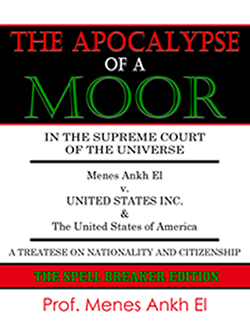
A U.S. citizen is a fictional entity. According to statutory definition under United States Code, a "U.S. person" is constructed strictly as a legal entity—a corporate creation designed to function within commercial statutory jurisdiction[cite: 17].
As the municipal United States exists in law as a corporate entity, its created citizens can only exist as legal fictions[cite: 17]. Living human beings were brought into this commercial jurisdiction through corporate registration and non-disclosure[cite: 17].
Understanding this distinction is the cornerstone of standing: natural living beings inherit rights by birthright, whereas statutory corporate entities receive revocable privileges granted by administrative legislation[cite: 17].
CHAPTER 5 LEGAL PILLARS
- Statutory Personhood vs. Living Men & Women
- Examining the definitions under Title 26, Title 28, and statutory code where "person" includes corporations, trusts, and associations[cite: 17].
- The Corporate United States Construct
- How commercial entity status operates under municipal corporation structures[cite: 17].
- Reclaiming Natural Standing
- Distinguish between municipal statutory franchises and living sovereign birthright[cite: 17].
Chapter 5 Video Discussion - Who is a United States Citizen
Truth destroys corporate fiction. By knowing the legal definitions, We separate Our living standing from statutory entity constructs[cite: 17].
Continue Exploring The Apocalypse of a Moor
Return to the main book directory to explore additional chapters and full video discussions[cite: 17].
Get Book on Amazon ← Back to Apocalypse Index